Water damage doesn’t wait for convenient timing. Whether it’s a burst pipe, a roof leak after an October rainstorm, or flooding from a plumbing failure, Honolulu homeowners often find themselves overwhelmed — not just by the damage itself, but by the insurance process that follows. Filing a water damage insurance claim in Honolulu can feel like a second emergency, but understanding what to do in the critical first 48 to 72 hours can mean the difference between a smooth payout and a complicated denial.
Document Everything Before Cleanup Begins
The single most important thing you can do after discovering water damage is to document the scene thoroughly before any restoration work begins. Take detailed photos and video of every affected area — walls, floors, ceilings, furniture, and personal belongings. Capture timestamps on your images if possible, and note the visible source of the water intrusion. Insurance adjusters rely heavily on this initial documentation when evaluating your claim, and gaps in the record can create disputes later. Keep a written log of when you discovered the damage, who you contacted, and every step taken from that moment forward.
It is equally important to notify your insurance carrier as soon as possible. Most standard homeowner policies require prompt reporting, and delays can give adjusters a reason to question the extent of the damage or challenge whether certain losses are covered. While you are waiting for an adjuster to be assigned, you are also entitled — and often required — to take reasonable steps to prevent further damage to your property. This does not mean completing full repairs; it means stopping the source, placing buckets, or tarping exposed areas. Calling a certified restoration company to begin emergency water extraction falls squarely within this mitigation duty, and MD Restoration’s 24/7 emergency water extraction services are designed specifically to meet this need quickly anywhere on Oahu.
What Honolulu Homeowners Need to Know About Coverage
Standard homeowner policies in Hawaii generally cover sudden and accidental water damage — a pipe that bursts, a washing machine supply line that fails, or a drain that backs up due to a one-time event. What they typically do not cover is gradual damage caused by a slow leak that went unaddressed over weeks or months. This distinction matters enormously when your claim is being reviewed. An adjuster may examine the damage and ask whether visible signs of water intrusion were present long before the event you reported. Keeping up with routine home maintenance and addressing small leaks promptly protects both your property and your claim eligibility.
Flood damage is also a separate category in most policies. If your property was inundated by rising water from a storm surge, overflow from a stream, or heavy rainfall that entered from the ground rather than from an internal source, standard homeowner coverage typically will not apply — that falls under flood insurance, often through FEMA’s National Flood Insurance Program. Understanding this distinction before you need it is critical. If water damage has also created conditions for mold growth — which can happen in as little as 48 hours in Honolulu’s warm, humid climate — it is important to know that mold remediation is sometimes covered as a secondary loss and sometimes excluded. MD Restoration’s professional mold remediation team can document the scope of mold growth in a way that supports your insurance submission.
Working With Your Insurance Adjuster Effectively
Once your adjuster is assigned, your goal is to present a clear, organized, and well-documented picture of the loss. Provide your photos, your written log, and any receipts or estimates you have gathered. You are not required to accept the first settlement offer if you believe it does not fully reflect your losses, and you have the right to bring in a public adjuster or have your contractor provide a detailed scope of work to support a supplemental claim. Restoration companies that work regularly with insurance carriers — as MD Restoration does — understand how to document damage in the format adjusters require, which can significantly reduce back-and-forth delays.
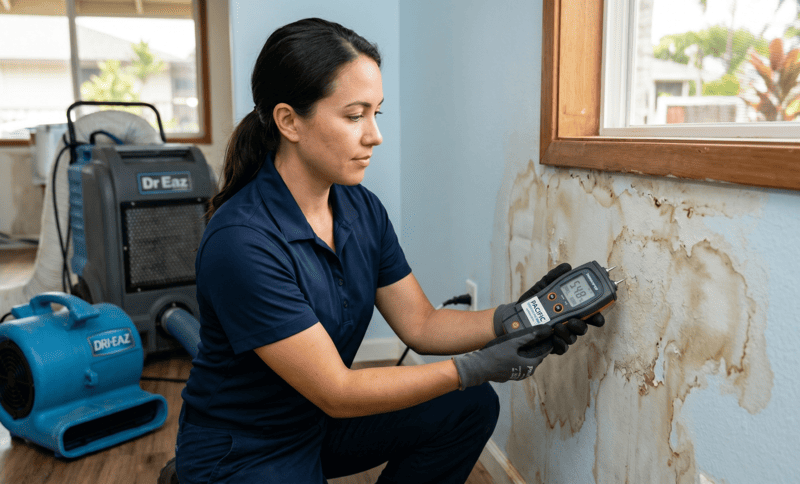
Be cautious about signing any paperwork that limits your rights before the full scope of damage is known. Hidden moisture inside walls, under flooring, and within ceiling cavities is common after water intrusion events in Honolulu, and it may not become apparent until professional drying equipment has been in place for several days. Settling too early can leave you responsible for repairs that surface weeks later. For a detailed overview of how insurance coverage typically applies to water and mold losses, MD Restoration has put together a comprehensive insurance coverage resource that addresses the most common questions homeowners face.
Let MD Restoration Help You Navigate the Process
Dealing with water damage is stressful enough without having to become an insurance expert overnight. MD Restoration has been serving Honolulu and Oahu homeowners and property managers since 2002, and we work with all major insurance providers. Our IICRC-certified team arrives quickly, documents the damage thoroughly, and communicates directly with adjusters so you don’t have to manage that coordination alone. If your Honolulu home or commercial property has experienced water damage — whether from a recent storm, a plumbing failure, or any other source — call us any time at (808) 528-3434. We are available 24 hours a day, seven days a week, and we are here to help you get your property — and your claim — back on track.

